Facebook
 X
X
 Pinterest
 Copy Link
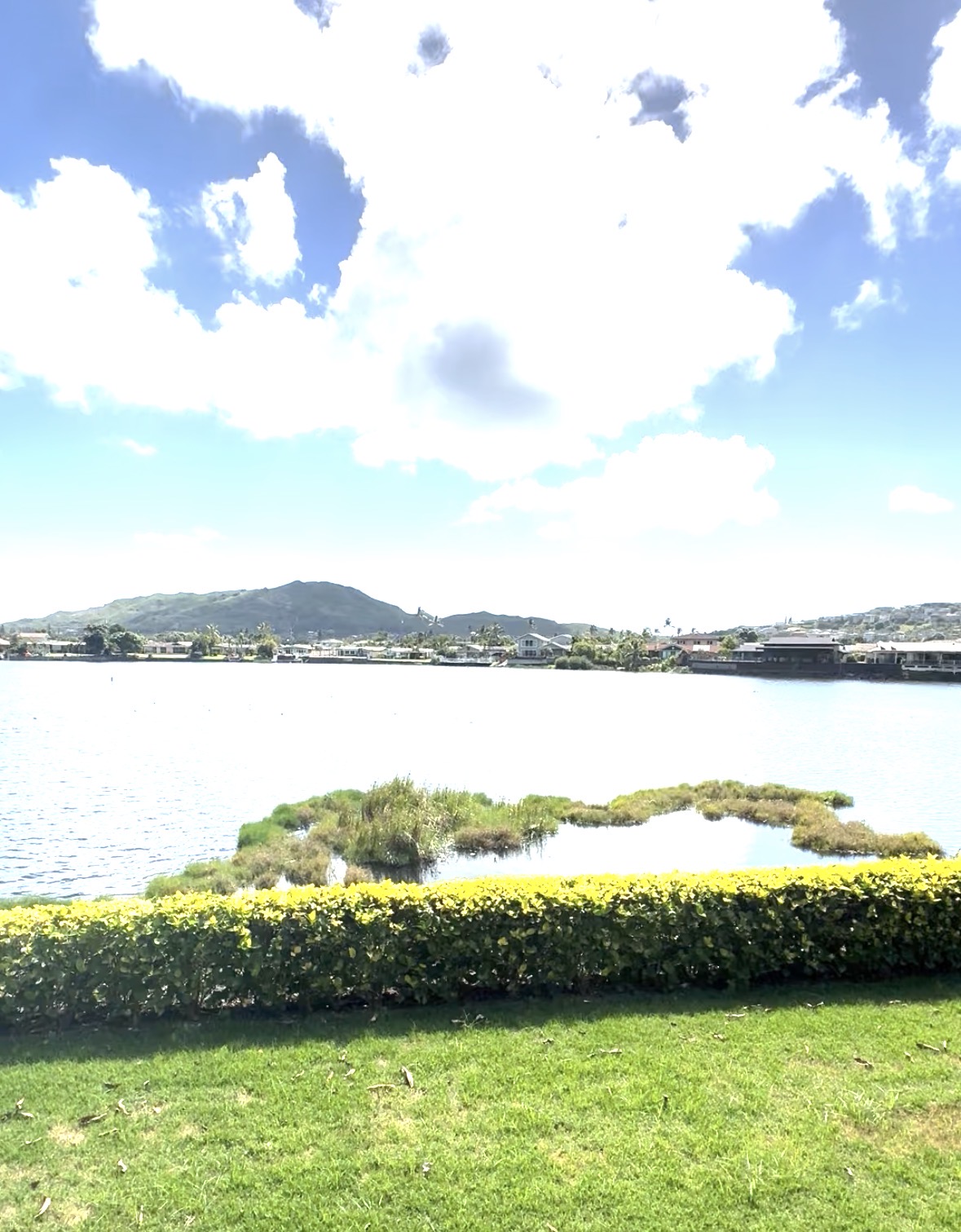
What Does It Take to Buy Hawaii Luxury Real Estate?
Hawaii luxury real estate requires more than the financial ability to purchase an expensive home. A successful luxury purchase requires a clear financial strategy, appropriate financing or liquidity, an understanding of ownership costs, thorough due diligence and knowledgeable local guidance.
There is also no single legal price that defines a “luxury” property in Hawaii. Instead, luxury is generally a market segment where factors such as location, land, views, privacy, architecture, amenities, quality and scarcity contribute significantly to a property’s value.
And that distinction matters.
Buying a $3 million property is not simply about finding another $3 million property to compare it with. In Hawaii, two homes at the same price can have dramatically different long-term value, ownership costs and resale potential.
Why Is Hawaii Luxury Real Estate Different?
Hawaii is a geographically isolated market with limited land and highly desirable coastal and island locations. Certain properties cannot easily be replicated.
You cannot create another oceanfront lot in the same location. You cannot move a home closer to a particular beach. And you cannot manufacture an unobstructed view of the ocean, mountains or coastline.
For that reason, buyers looking at Hawaii luxury real estate may prioritize:
- Oceanfront or ocean views
- Privacy
- Large or unusual lots
- Architectural design
- High-quality construction
- Indoor-outdoor living
- Resort-style amenities
- Acreage
- Golf or marina access
- Proximity to beaches
- Desirable neighborhoods
- Rare views or locations
The most expensive property isn’t automatically the best property.
The real question is whether the property makes sense for you.
How Much Money Do You Need to Buy a Luxury Home in Hawaii?
There is no single dollar amount required to purchase a luxury home in Hawaii.
Depending on the buyer and property, a purchase may involve cash, conventional financing, jumbo financing or another lending structure.
But the purchase price is only one part of the financial equation.
A luxury buyer should also consider:
- Down payment
- Closing costs
- Mortgage costs
- Property taxes
- Homeowners insurance
- Flood insurance, when applicable
- HOA or maintenance fees
- Landscaping
- Pool maintenance
- Security
- Property management
- Repairs
- Renovations
- Long-term capital expenses
For financed purchases, speak with a lender early. Jumbo loans can have different qualification requirements than conforming loans, and lenders may evaluate income, assets, credit, reserves and other financial factors.
The better question is not “Can I buy it?”
Ask:
“Can I comfortably own it?”
That distinction becomes increasingly important as property values and ownership costs rise.
Hawaii Luxury Real Estate and Property Taxes
Property taxes vary by county, property classification, assessed value and applicable exemptions.
For Honolulu County’s 2025–2026 tax year, Residential A properties were taxed at $4.00 per $1,000 on the first $1 million of net taxable value and $11.40 per $1,000 above $1 million.
For illustration:
| Assessed Value | Approximate Annual Tax* |
|---|---|
| $2 million | $15,400 |
| $5 million | $49,600 |
| $10 million | $106,600 |
*Illustrative calculations based on the published FY2025–2026 Residential A rates. Actual property taxes depend on assessed value, classification, exemptions and the applicable tax year.
If you’re buying a primary residence on Oʻahu, it is also worth understanding the Honolulu Home Exemption and how it may affect your property taxes. I explain that in more detail in my guide to the Honolulu Home Exemption.
Insurance Matters When Buying Luxury Real Estate in Hawaii
Insurance should be investigated before you become fully committed to a property.
A luxury home may have a high replacement cost, coastal exposure, older construction, pools, guest structures, extensive landscaping or other features that can affect coverage and premiums.
This becomes particularly important for oceanfront and coastal properties.
Hawaii’s Department of Land and Natural Resources identifies issues including flooding, erosion and shoreline conditions as important considerations when purchasing coastal real estate.
For a luxury buyer, the question isn’t simply:
“Can I insure this home?”
It is:
“Can I obtain the coverage I need at a cost that makes sense for this purchase?”
Buying an Oceanfront Luxury Home in Hawaii
Oceanfront property is one of Hawaii’s most desirable forms of luxury real estate, but it also requires additional due diligence.
Before purchasing, buyers should investigate:
- Flood exposure
- Shoreline setbacks
- Coastal erosion
- Drainage
- Sea walls and shoreline structures
- Building permits
- Access
- Insurance
- Long-term maintenance
- Other site-specific coastal hazards
The view may be extraordinary.
But the responsibilities associated with owning that view are very real.
A beautiful oceanfront property still needs to make financial and practical sense.
Can You Airbnb a Luxury Home in Hawaii?
Not necessarily.
This is one of the most important questions to answer before purchasing a Hawaii luxury property as an investment or second home.
Short-term rental laws vary by county and by property.
On Oʻahu, short-term rentals are subject to specific zoning, registration and regulatory requirements. A property being advertised or previously operated as a vacation rental does not automatically mean that a buyer can legally continue that use.
Before purchasing with rental income in mind, verify:
- Zoning
- Existing permits or certificates
- County regulations
- HOA or condominium restrictions
- Minimum rental periods
- Applicable taxes
- Whether the existing use can legally continue
Never make a luxury purchase based solely on projected Airbnb income without verifying that the rental use is legal.
Fee Simple vs. Leasehold Luxury Real Estate
Another important consideration for buyers unfamiliar with Hawaii is the difference between fee-simple and leasehold ownership.
Fee-simple ownership generally means you are purchasing the real property interest in the land and improvements.
With leasehold ownership, the buyer purchases an interest in the property subject to a lease of the underlying land.
If you are considering a leasehold luxury property, carefully review:
- Remaining lease term
- Ground rent
- Rent adjustments
- Lease provisions
- Financing requirements
- Resale considerations
- What happens when the lease expires
A property’s high price does not automatically mean the buyer owns the underlying land.
How to Buy Hawaii Luxury Real Estate: The Process
A successful luxury purchase starts before you begin touring properties.
1. Determine Your Why
Are you buying a primary residence, second home, investment property, retirement home or legacy property?
Your reason for buying should determine what you prioritize.
2. Establish Your Financial Strategy
Understand your cash position, financing options, reserves and expected ownership costs.
3. Build Your Team
Depending on the transaction, your team may include a REALTOR®, lender, escrow officer, title professional, attorney, CPA, insurance professional, contractor or property manager.
4. Evaluate the Property
Look beyond the finishes.
Review comparable sales, location, land, condition, taxes, insurance, zoning, permits, rental restrictions and future marketability.
5. Structure the Offer
Price matters, but so do financing strength, contingencies, timing, deposits and other terms.
6. Conduct Due Diligence
Depending on the property, this may include inspections, title review, surveys, permits, insurance, flood and coastal research, HOA documents and rental-use verification.
7. Close Through Escrow
Hawaii real estate transactions commonly use escrow to coordinate funds, documents, title requirements and closing conditions.
What Does the 2026 Hawaii Market Mean for Luxury Buyers?
Current market data reinforces why luxury buyers should focus on property-specific information rather than broad national headlines.
According to the Hawaii Department of Business, Economic Development & Tourism, statewide housing conditions in the first quarter of 2026 were mixed. Average home prices increased 0.5% year over year, while single-family prices declined 3.3% and condominium prices increased 6.7%.
On Oʻahu, the median single-family resale price in the first quarter of 2026 was $1.18 million, up 2.6% from the previous year.
But there is an important distinction:
The median Oʻahu home price is not a valuation benchmark for luxury real estate.
Luxury transactions often involve fewer truly comparable properties because the land, views, architecture, location, condition and amenities can vary significantly.
That makes property-specific research even more important at the high end of the market.
5 Questions to Ask Before Buying Hawaii Luxury Real Estate
Before making an offer, ask yourself:
1. Why am I buying in Hawaii?
What do you want this property to provide that you don’t currently have?
2. What is the property supposed to accomplish?
Is the goal lifestyle, investment, legacy, retirement or a combination?
3. What is my true all-in budget?
Consider the purchase price and the ongoing cost of ownership.
4. What risks am I comfortable accepting?
Consider insurance, coastal exposure, maintenance, HOA restrictions, leasehold ownership and rental regulations.
5. What does “the right property” actually mean to me?
Because the most expensive home is not necessarily the best fit.
The Bottom Line on Hawaii Luxury Real Estate
Hawaii luxury real estate is about much more than buying a beautiful home.
You’re buying a location, a piece of land, a lifestyle and a long-term ownership responsibility.
The strongest luxury buyers understand their financial position, know what they want the property to accomplish and conduct thorough due diligence before committing significant capital.
And in Hawaii, that means looking beyond the kitchen, the view and the price tag.
It means asking:
What am I actually buying?
What will it cost to own?
What risks come with this location?
Can I legally use the property the way I intend?
Will this property still make sense for me years from now?
That’s where strategic local guidance can make a difference.
If you’re considering Hawaii luxury real estate, start with the strategy—not the search.
My Buyer’s Strategy Session is designed to help buyers clarify their goals, understand the market and create a roadmap before they begin seriously shopping.
The goal isn’t simply to buy luxury in Hawaii.
The goal is to buy the right Hawaii property for your life, your finances and your future.
Sources
- Hawaii Department of Business, Economic Development & Tourism — Hawaii housing and economic data
- City & County of Honolulu — Real Property Tax Rates
- City & County of Honolulu — Short-Term Rental regulations
- Hawaii Department of Land and Natural Resources — Coastal Real Estate and Natural Hazard considerations
- Consumer Financial Protection Bureau — Mortgage and jumbo-loan information
- Hawaii Bureau of Conveyances — Real property ownership and conveyance information
This article is provided for general educational purposes and is not legal, tax, financial, insurance or investment advice. Laws, regulations, tax rates, insurance requirements and market conditions can change. Buyers should consult the appropriate licensed professionals regarding their individual circumstances.